
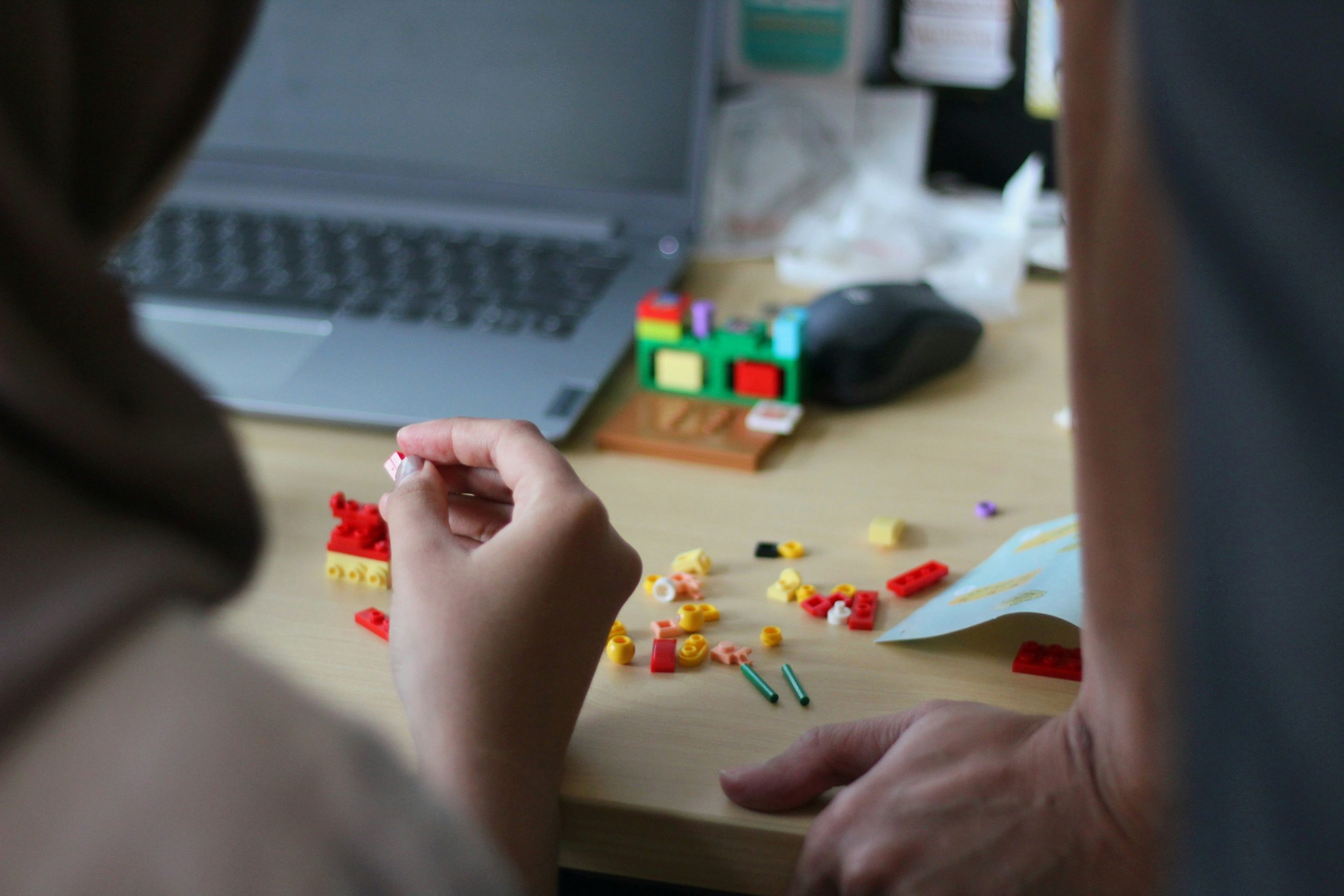
At first glance, Legos might look like simple colorful toys. Yet they offer much more than just playtime. Over the years, researchers have uncovered their surprising impact on cognitive development, creativity and even academic performance. Today, we’ll explore why these small bricks are more powerful than they appear, and how the way children use them can significantly shape their benefits.
Legos: Bricks That Build the Brain
For a long time, parents, educators and psychologists have taken interest in construction toys. And for good reason: they activate essential skills, such as visualizing shapes, imagining spatial rotations and solving problems. Legos, in particular, have been linked to improvements in mental rotation and visuospatial reasoning.
These skills are far from trivial. They play a key role in future success in fields like mathematics, engineering, physics or architecture. Some studies even suggest that preschool Lego play predicts higher math scores in middle and high school.
What looks like ordinary play is actually powerful, silent brain training during early development.
Why How Children Play Matters More Than the Toy Itself
While Legos in general contribute to cognitive development, the way children play greatly influences the benefits they get.
On one hand, you have highly structured kits with step‑by‑step instructions. These teach precision, patience and discipline. On the other, you have free play—no set rules, no fixed goals. This is where the real magic happens: research shows that open‑ended activities, where children invent and build freely, boost creativity more effectively than guided builds.
By giving imagination free rein, Legos become a space for experimentation, where children test ideas, make mistakes and try again. Failure is not a problem—it becomes a natural part of their learning process.
A Toy That Breaks Stereotypes
Unlike many toys marked by gender stereotypes, Legos successfully attract and stimulate both boys and girls. Research shows that Lego sets support STEM‑related skills equally for all children.
At a time when society encourages diversity in scientific careers, Legos become an interesting tool for reducing early confidence gaps between boys and girls.
Legos in Modern Learning
With digital devices becoming omnipresent, many children spend more time staring at screens than engaging in tactile play. Legos offer an enriching alternative: hands-on, concrete, exploratory. The play develops not only cognitive ability, but also focus and social skills when used collaboratively.
Legos also help develop patience, frustration management and logical reasoning—skills essential both in school and everyday life.
For example:
- Building a complex structure teaches planning, testing and adjusting.
- Collaborative builds teach communication and teamwork.
- Trying different approaches encourages curiosity and problem‑solving.
Conclusion
Legos aren’t just toys—they’re powerful learning tools. Beyond cognitive stimulation, they enhance creativity, encourage collaboration and challenge gender stereotypes in STEM. The secret lies in how they’re used: the more open and imaginative the play, the stronger the benefits.
Whether to support school learning or provide screen‑free enrichment, Legos are a valuable ally. So next time you see a child building a simple tower, remember that they might be laying the groundwork for lifelong skills.